Best Wildlife Stays in Bribri, Costa Rica
Bribri, set in the lush Caribbean lowlands of Costa Rica, offers an unparalleled opportunity for wildlife enthusiasts. Staying here means immersing yourself in a vibrant ecosystem where the sounds of the jungle are your daily soundtrack. The accommodations in Bribri, though often modest, provide a genuine connection to nature, placing you within easy reach of diverse habitats. From your doorstep, you can set out on adventures to spot monkeys, sloths, and a myriad of tropical birds, making it an ideal base for an authentic wildlife experience.
Bribri's personality is deeply rooted in its indigenous heritage and its surrounding natural environment. It's a town that moves at a slower pace, inviting visitors to connect with local traditions and the rhythm of the jungle. The atmosphere is laid-back and authentic, far removed from the bustling tourist hubs. This unique blend of cultural richness and ecological abundance makes Bribri a distinctive destination for those seeking a profound and respectful engagement with Costa Rican wildlife and its people.
Stays in Bribri
Choosing a wildlife stay in Bribri means embracing the raw beauty of Costa Rica's natural world. The region is a hotspot for biodiversity, offering a chance to observe animals in their natural environment. Unlike more developed tourist areas, Bribri maintains a rustic charm, allowing for a more intimate and less commercialized encounter with the local fauna. The proximity to indigenous reserves and conservation efforts further enhances the experience, providing insights into sustainable tourism and the protection of precious ecosystems.
Travellers staying in Bribri for wildlife observation will find themselves in a prime location. The area is renowned for its rich biodiversity, with numerous species of birds, mammals, and reptiles inhabiting the nearby forests and rivers. Many accommodations are designed to blend with the natural surroundings, offering guests a chance to wake up to the calls of howler monkeys or spot colourful toucans from their patio. The focus here is on genuine, unscripted encounters with nature, providing a memorable experience for any wildlife lover.
The proximity to key conservation areas, such as the Jaguar Rescue Center just 17 km away, makes Bribri an excellent base for educational and ethical wildlife tourism. Guests can learn about rescue and rehabilitation efforts, and potentially see animals up close that might be harder to spot in the wild. This direct access to conservation initiatives adds a meaningful dimension to a wildlife-focused trip, allowing visitors to support local efforts while enjoying the natural wonders.
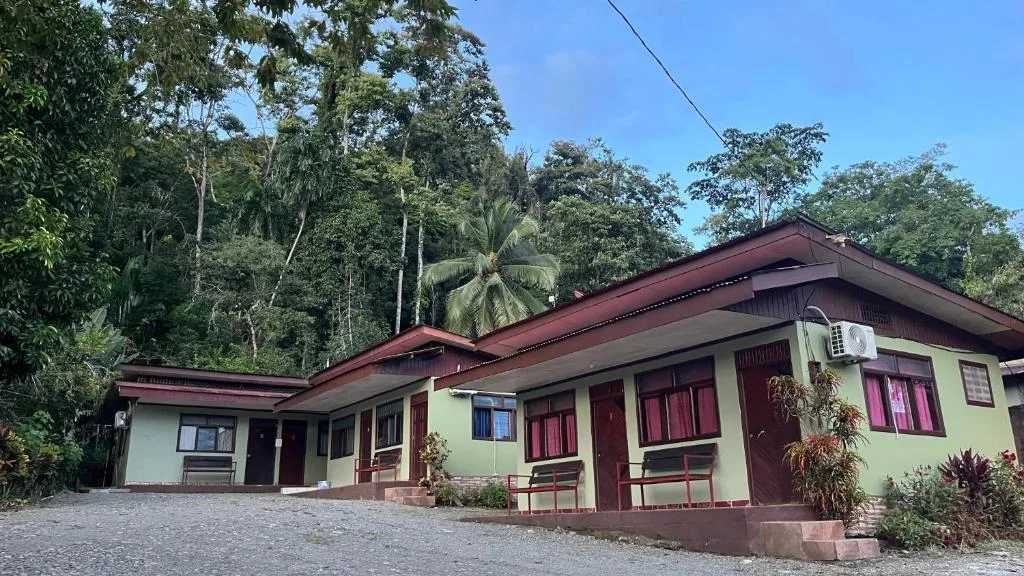
Accommodations like Cabinas El Mango, with their mountain views and garden settings, exemplify the type of stay that enhances a wildlife experience in Bribri. Guests can enjoy comfortable rooms with private bathrooms and air-conditioning, while still being surrounded by nature. The outdoor dining areas and patios provide perfect spots for quiet observation, allowing the jungle's inhabitants to come to you, creating a truly immersive and relaxing environment for wildlife enthusiasts.
A traveler's takeFor the wildlife enthusiast, Bribri offers an authentic and immersive experience. Expect rustic charm rather than luxury, with the focus firmly on nature. The best time to visit is during the drier months, though wildlife is present year-round. You'll likely need to arrange local transport or tours to reach specific observation spots, but the rewards of spotting unique species in their natural habitat are immense. This destination is ideal for those who prioritize genuine encounters over polished tourist attractions.
Local tips
- 1Bring binoculars and a good camera with a zoom lens to capture distant wildlife.
- 2Hire a local guide; they know the best spots and can help you identify species.
- 3Wear neutral-coloured clothing to blend in with the environment and avoid disturbing animals.
- 4Be patient and quiet; wildlife observation often requires waiting and stillness.
- 5Support local conservation efforts by visiting rescue centres or participating in eco-tours.