Best Rainforest Stays in Parismina, Costa Rica
Rainforest stays in Parismina sit inside a river-delta ecosystem where wetland forest meets the Caribbean, reachable only by the same canals that carry howler monkeys' calls across the water each morning. This is not a jungle lodge set back from a road for atmosphere; the rainforest here is the reason there is no road, with the Parismina river and its surrounding wetlands forming a natural barrier that has kept the village small and the forest close to every property. Lodges range from simple riverside rooms to slightly larger eco-lodges, most within earshot of the canal system that feeds the wider Tortuguero wetland corridor to the north. Travelers choosing this category are picking river-forest immersion over beach resort comfort.
Rainforest · Parismina in numbers
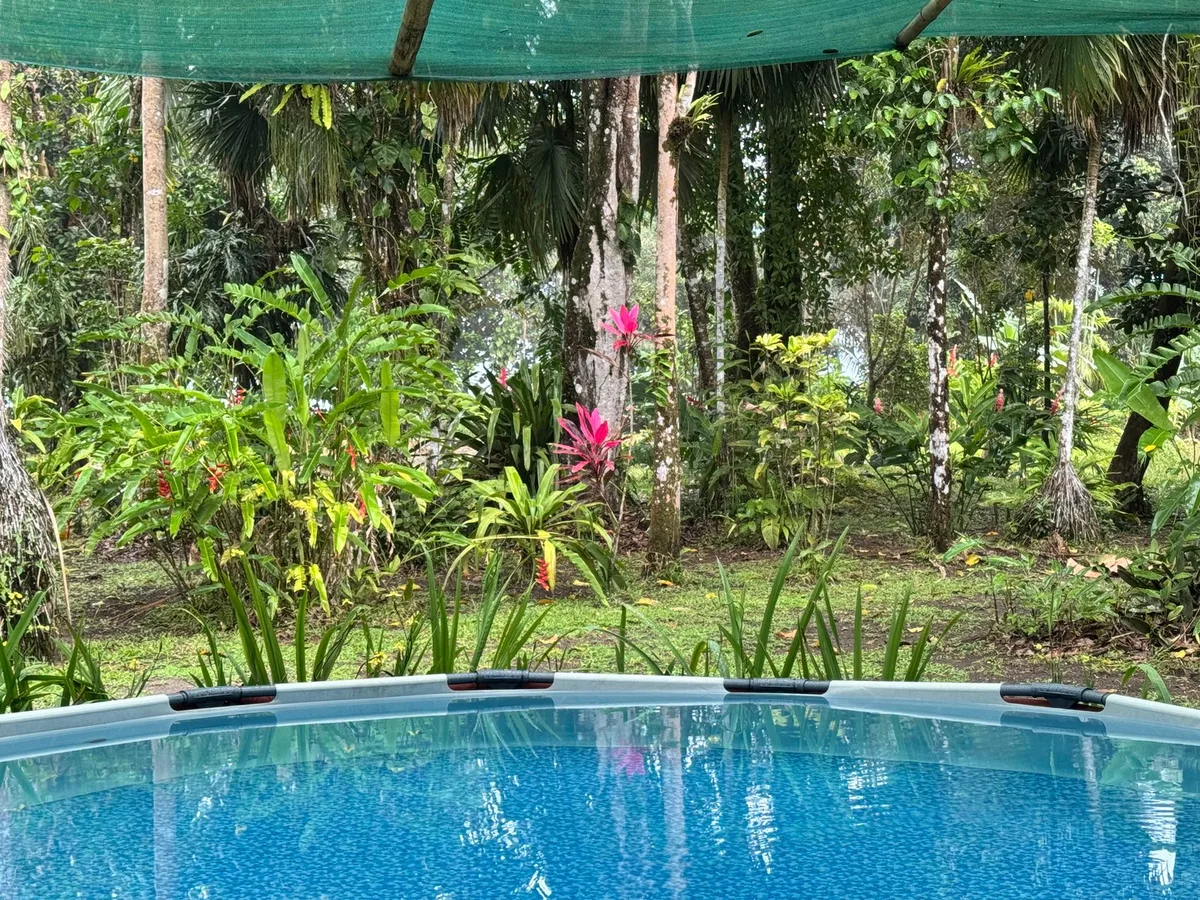 Rainforest5.0
Green Gold Eco-Lodge
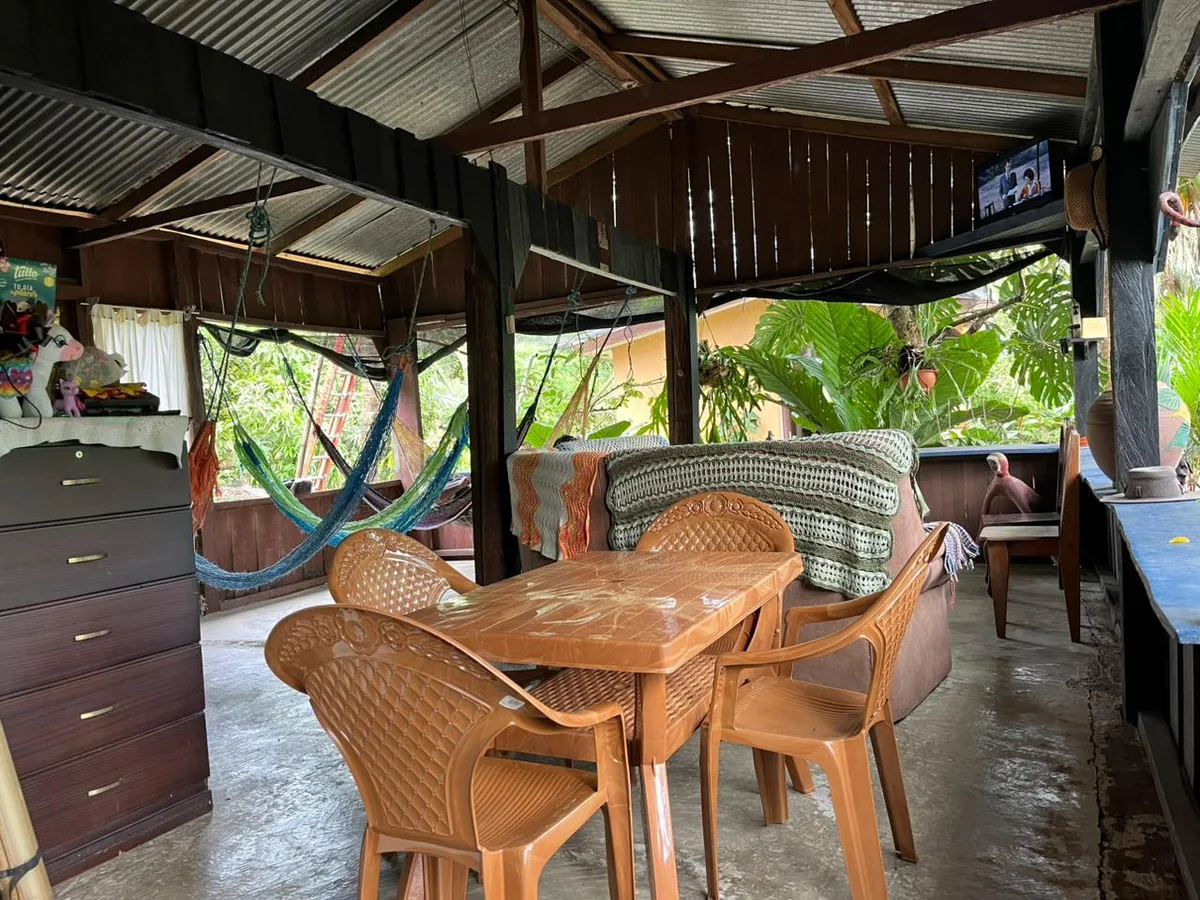 Rainforest5.0
Camping Los Búfalos
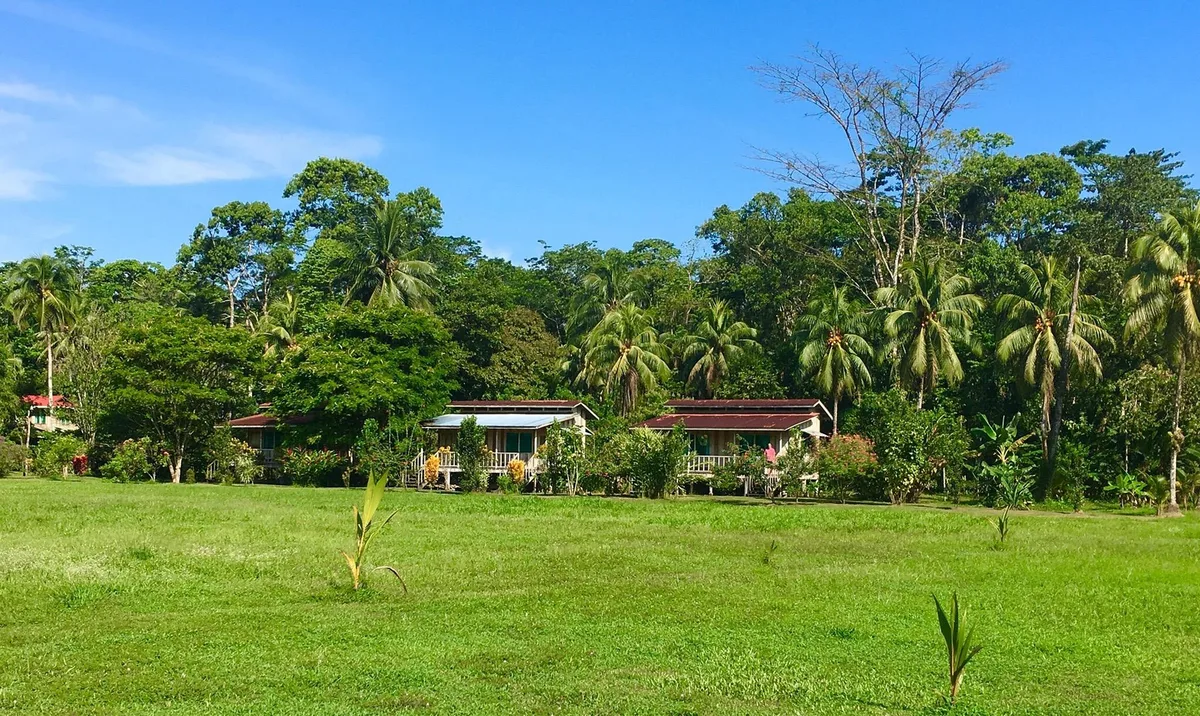 Rainforest4.9
Esmeralda Lodge
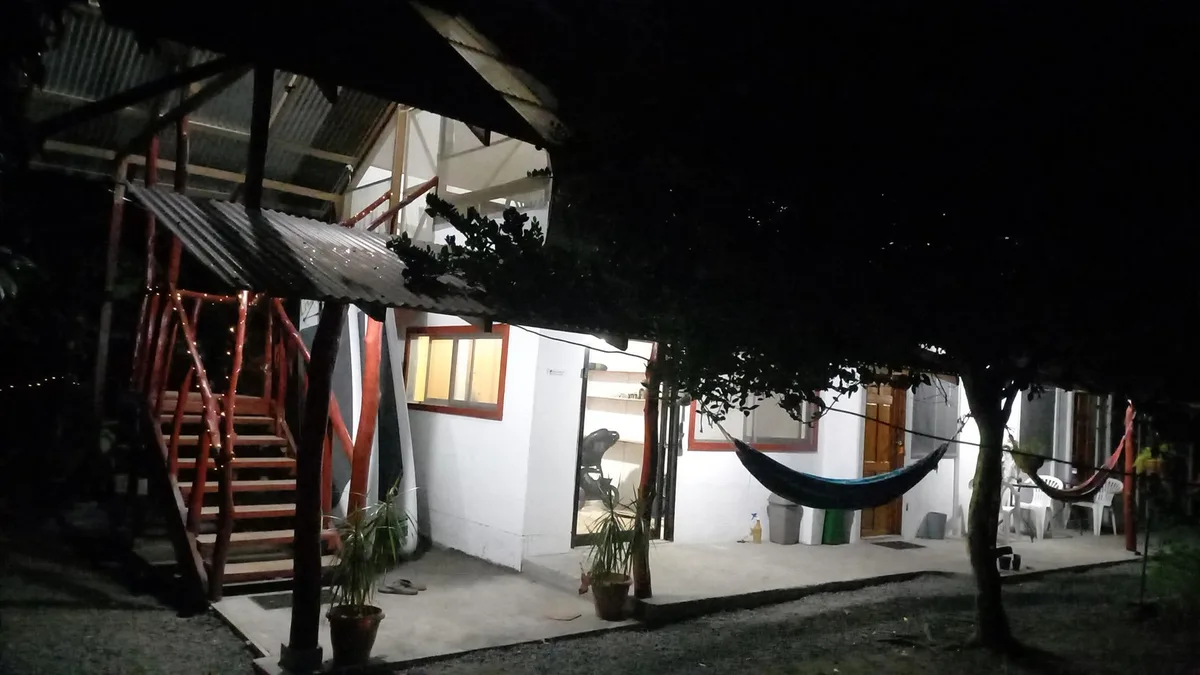 Rainforest4.8
Amaya's Hostel
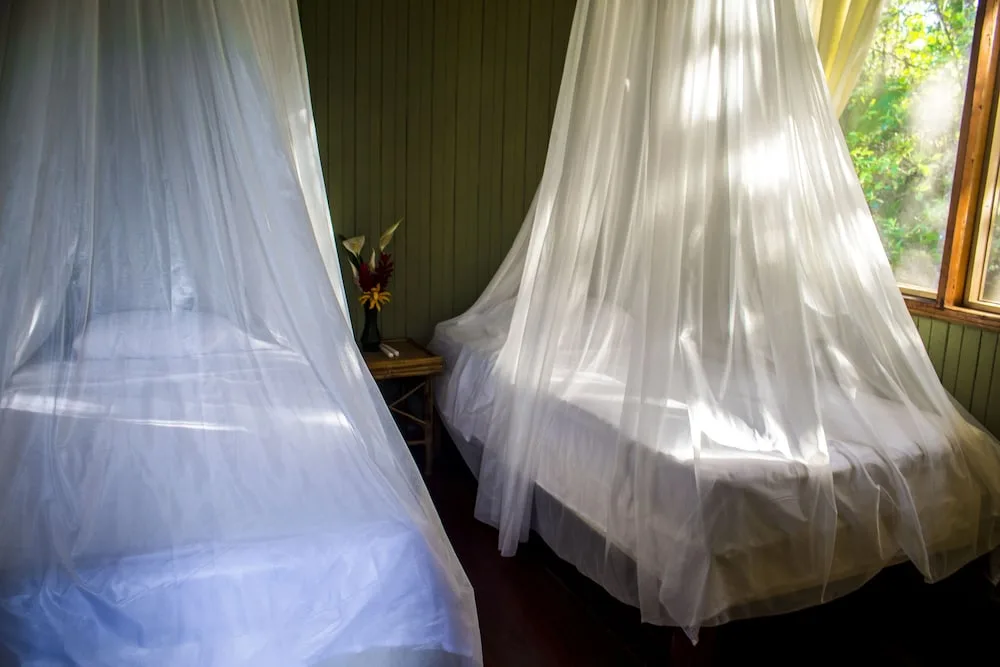 Rainforest4.7
Casa Grande Eco Lodge at Pacuare Reserve
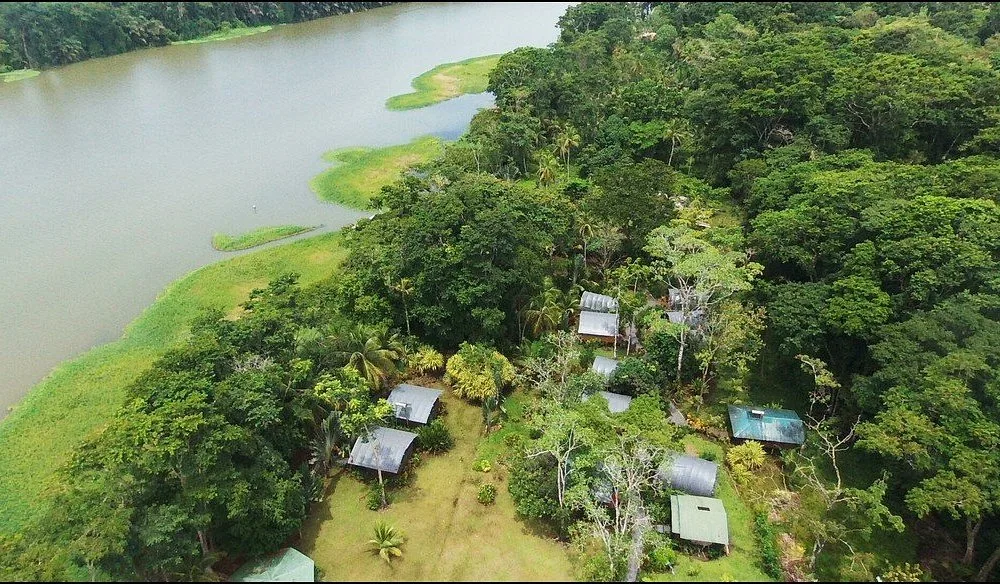 Rainforest4.7
Lirio Lodge
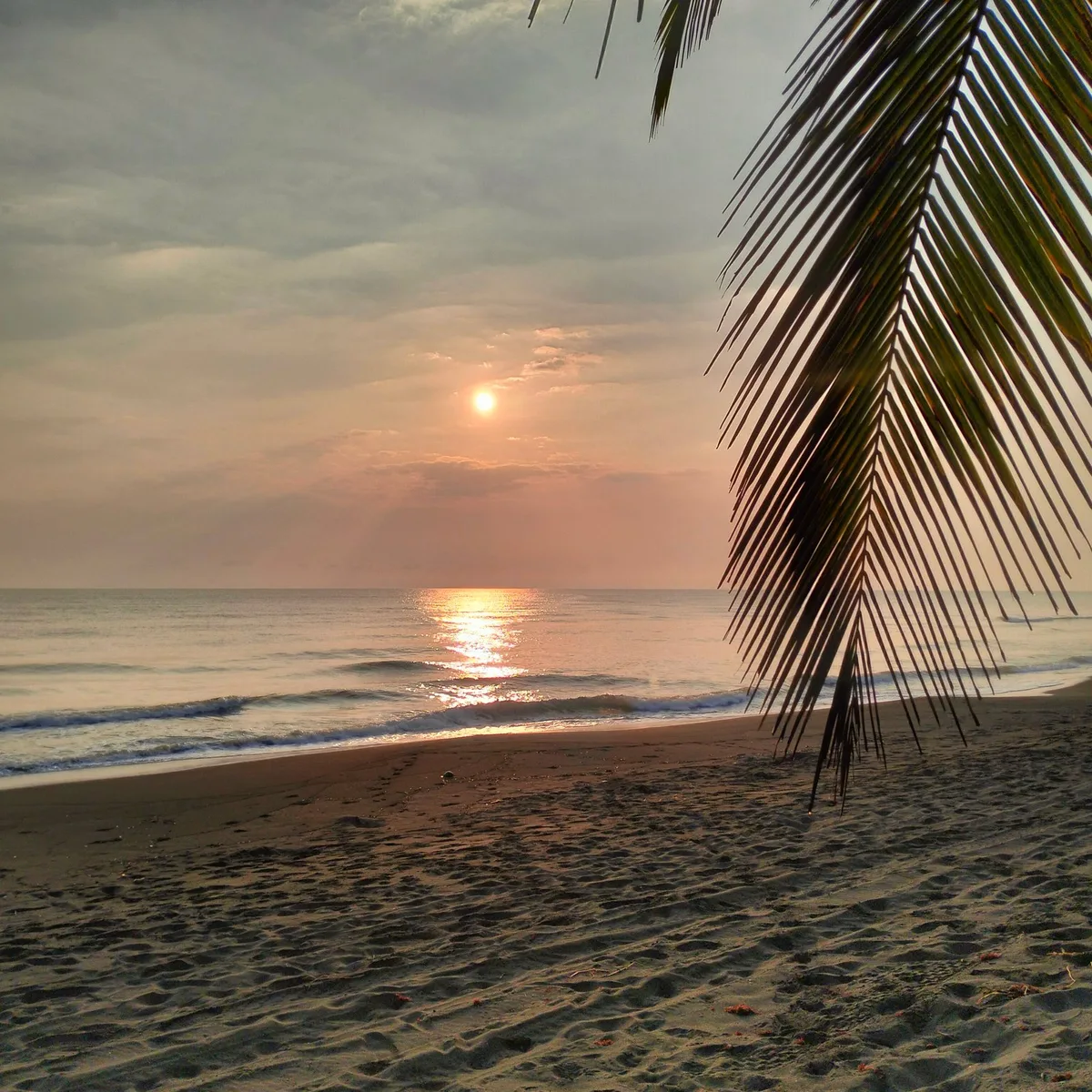 Rainforest4.3
CocoLu
 Rainforest4.2
Parismina Tarpon Lodge
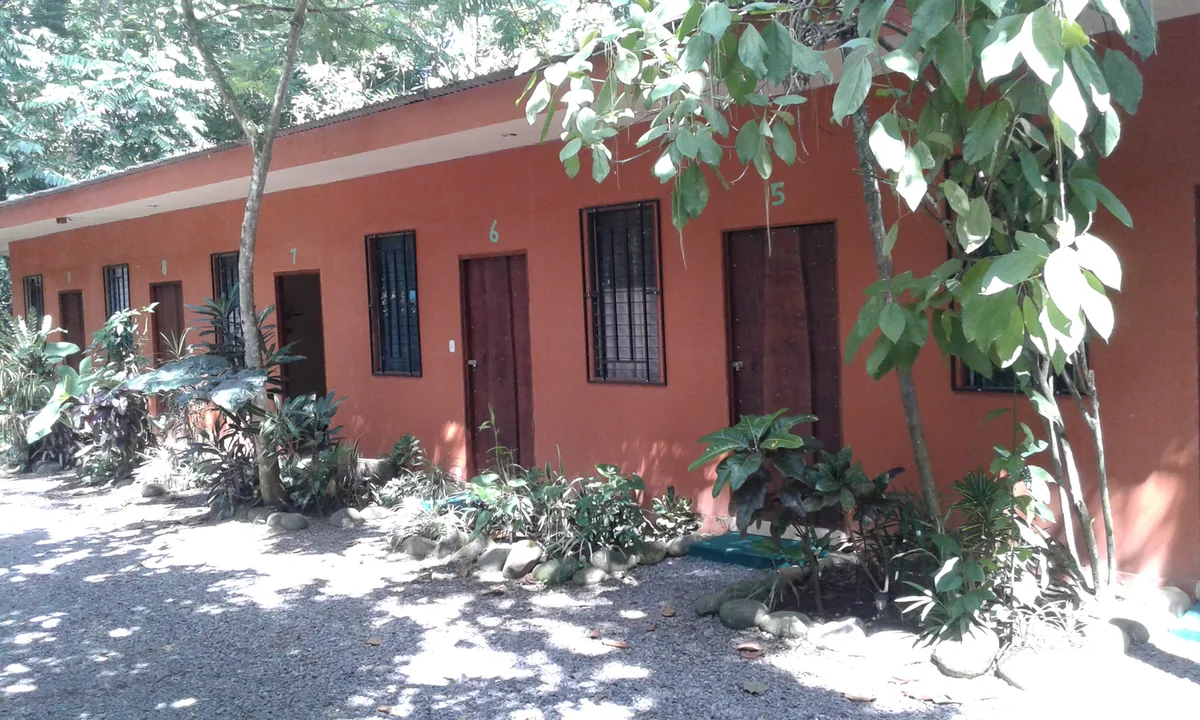 Rainforest4.0
Hotel ecoturistico el reventazon
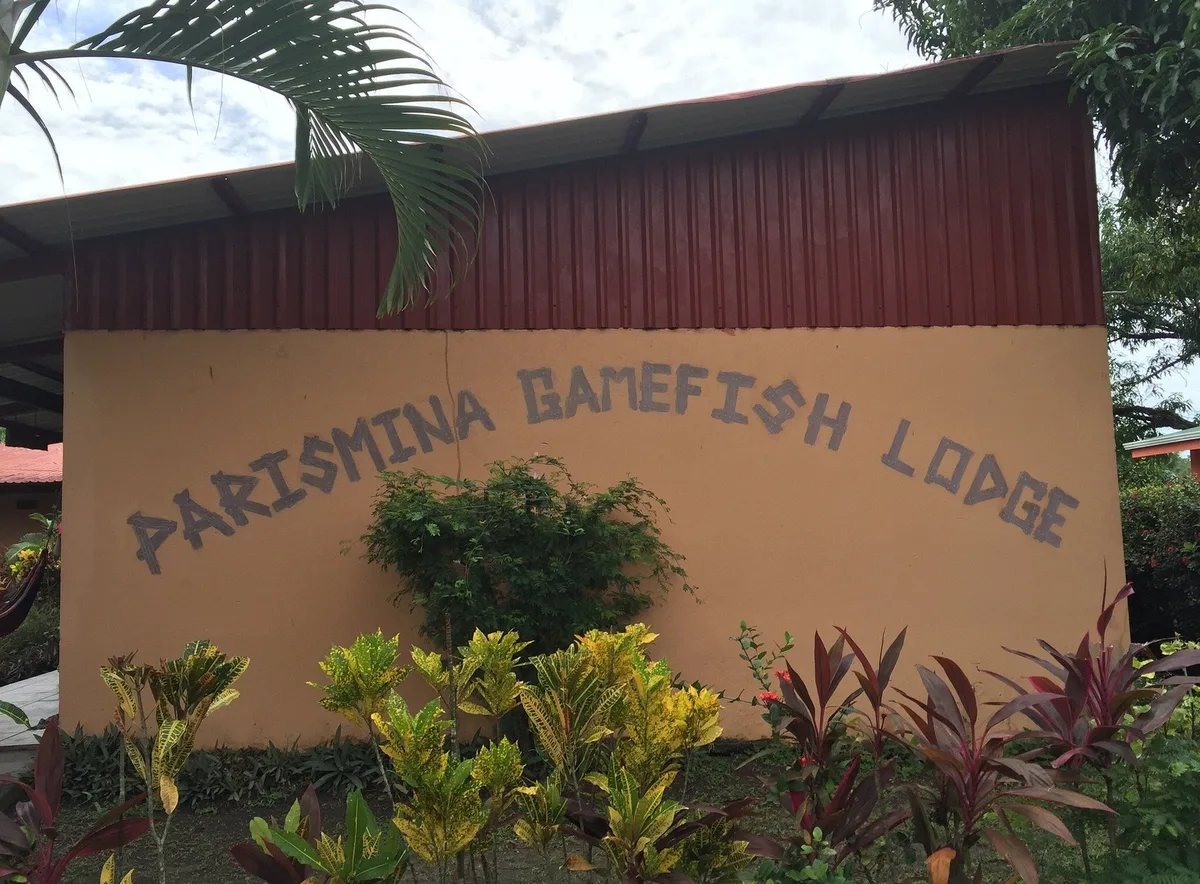 Rainforest3.9
Parismina Gamefish Lodge
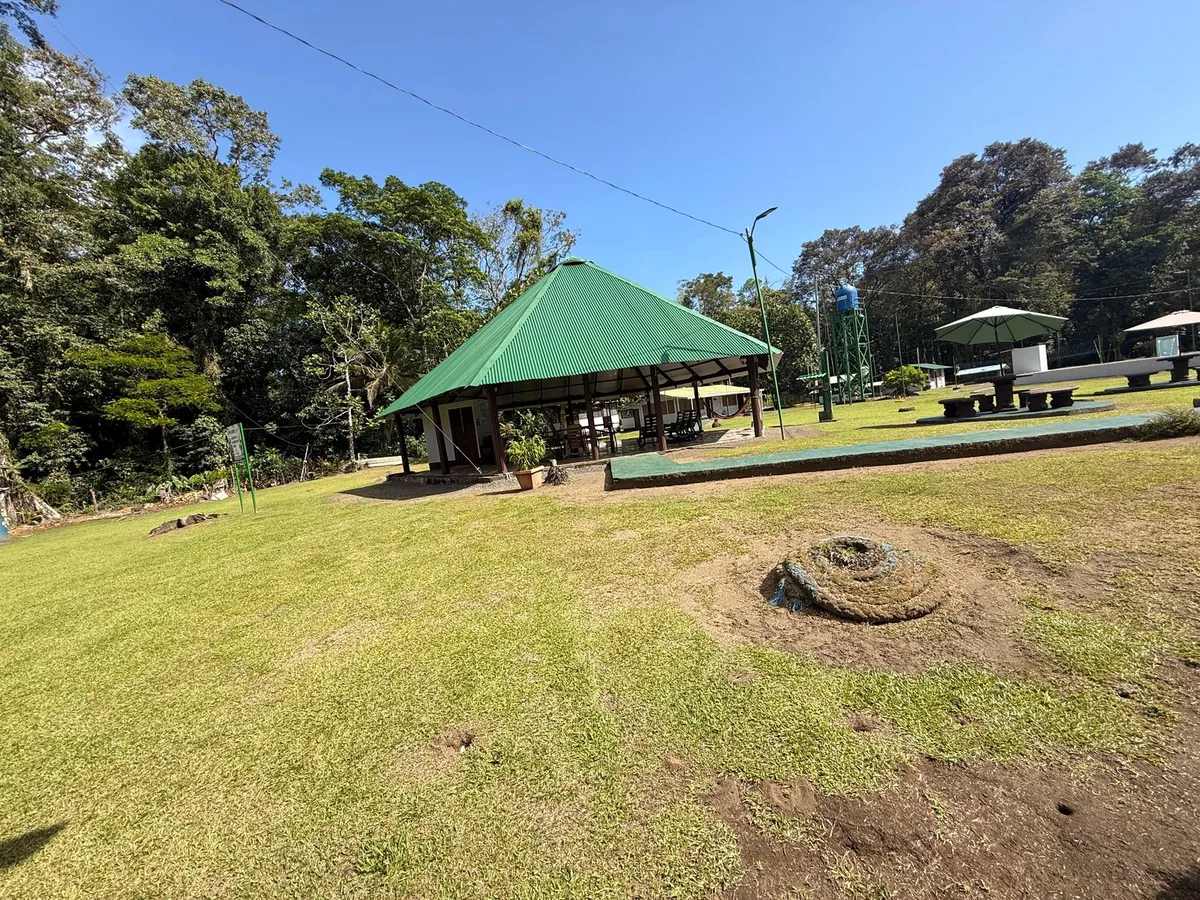 Rainforest0.0
Lapa Verde Lodge Parismina
A wetland forest with no road around it
The rainforest around Parismina is a wetland forest fed by the same river system that keeps cars out of the village, which means it presses right up against lodge property lines rather than sitting behind a fence or a groomed trail. Guests staying along the river regularly hear, and sometimes see, howler monkeys moving through the canopy at dawn, and the canal system that threads through this forest connects north toward the wider Tortuguero wetland corridor, one of the most continuous stretches of protected lowland rainforest and canal habitat on Costa Rica's Caribbean coast.
Because access is by boat only, rainforest lodges in Parismina were effectively built to river specifications from the start: docks instead of driveways, screened rooms rather than air-conditioned boxes, and a layout that faces water more often than it faces a garden. That constraint keeps the forest edge close to nearly every stay in the village, whether the property calls itself an eco-lodge, a hostel, or a fishing camp, since geography does not distinguish between labels here, and the same canal that delivers guests also delivers the wildlife right up to the porch rail.
Caimans, river birds, and the occasional sloth show up along the same waterways used for turtle patrols and fishing trips, so a rainforest stay in Parismina often doubles as wildlife-watching without a separate excursion. Lodges near the Asociación Salvemos las Tortugas de Parismina tend to sit closest to this overlap of turtle beach, river mouth, and forest edge, which is worth asking about directly if wildlife density matters more to you than proximity to the village center, since not every lodge sits at that exact junction and the difference of a few hundred meters of riverbank can change what a guest sees from the porch.
The trade-off for this level of immersion is infrastructure: rainforest stays here mean fewer restaurants, no pharmacy, and WiFi that some lodges list but few can guarantee. Travelers used to jungle lodges reached by road elsewhere in Costa Rica should expect Parismina's version to feel more remote and more dependent on what a specific lodge actually offers, since the village itself has almost nothing to fall back on beyond its sodas, and a missing amenity here usually means a boat trip rather than a short drive to fix it, which is worth factoring into any packing list.
Parismina moves at the pace of the tide and the boat schedule, not a clock. Sandy lanes, open-air sodas, and lodges strung along the riverbank make up most of the village, with the turtle-nesting beach and the surrounding wetlands doing the heavy lifting on atmosphere rather than any built attraction. It is a place travelers choose specifically because the forest and river are unavoidable, not incidental.