Stays in Santa Cruz
Santa Cruz is Guanacaste's folklore capital, an inland cattle-ranching town on Route 21 between Liberia and the Nicoya Peninsula coast. Travelers use it as a quieter, more affordable base for reaching Barra Honda National Park's limestone caves and the surf beaches around Avellanas and Junquillal.
Santa Cruz earns its nickname as Costa Rica's Ciudad Folclorica the moment the marimba starts up in the central park, a tradition that keeps its own rhythm even with the tourist coast less than an hour west. This is a working Guanacaste town first: cattle trucks roll through on Route 21, the January fiesta still runs bulls down the main street, and hotels here serve travelers who want the dry tropical forest heat and sabanero cowboy culture without a beachfront markup. Staying in Santa Cruz means an easy drive out to Barra Honda National Park's limestone cave system or west to the surf at Avellanas and Playa Junquillal, then coming back each evening to a town that feels lived-in rather than built for visitors.
Santa Cruz in numbers
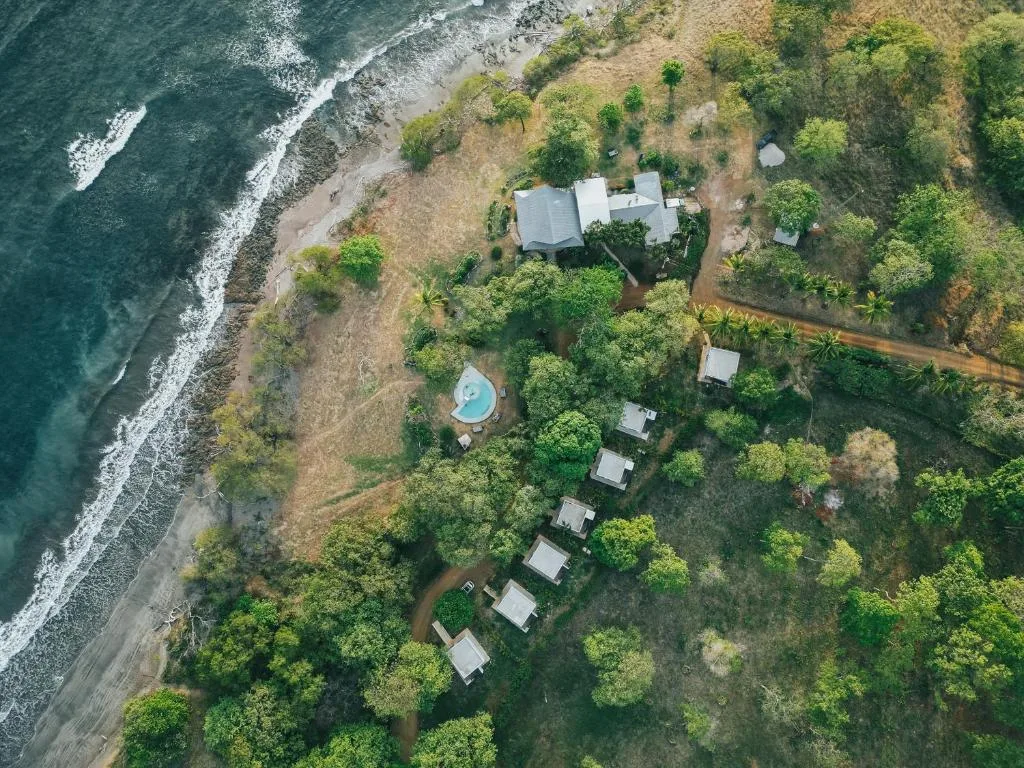 Wellness & yoga5.0
Hotel Bohemian Lagarto
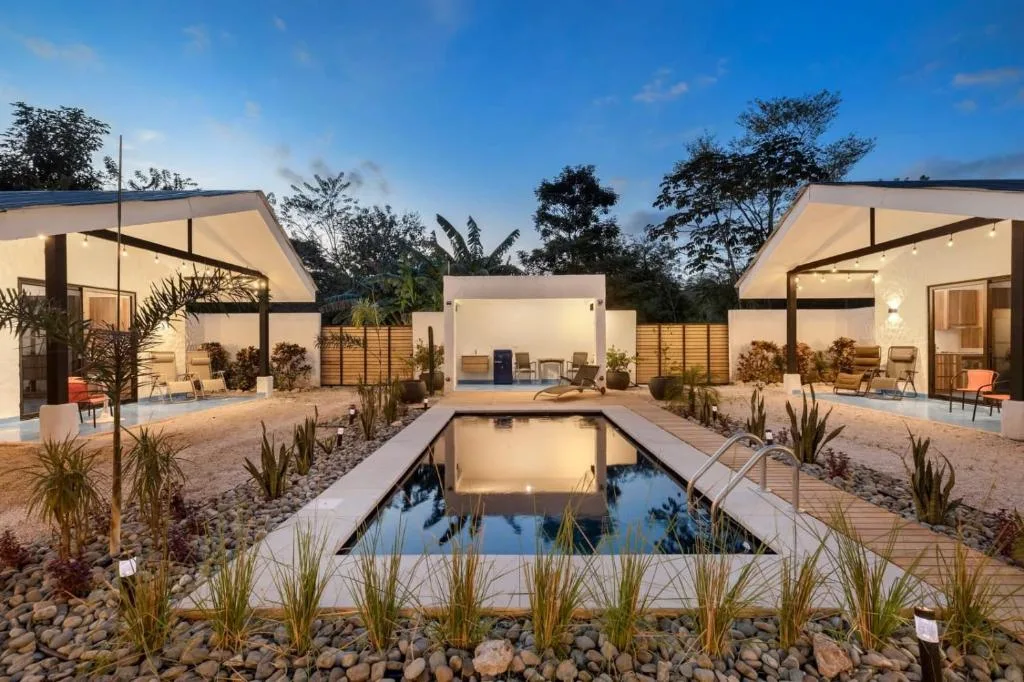 Wildlife5.0
Villa Peuchere
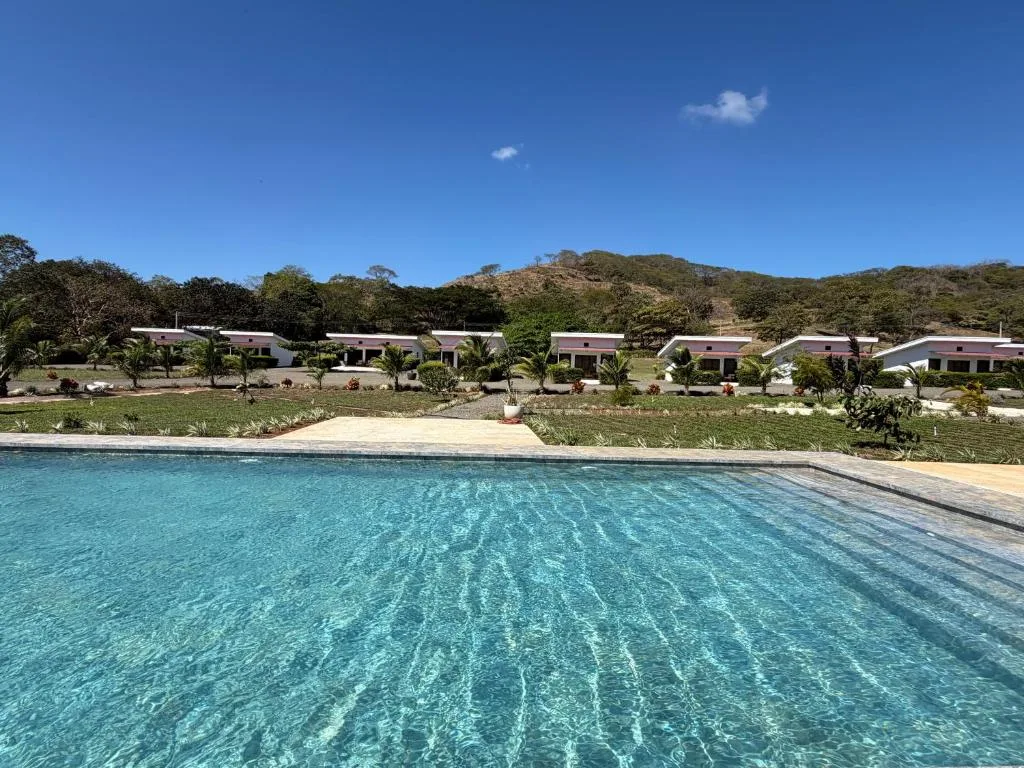 Wellness & yoga5.0
Hacienda Santa Elena
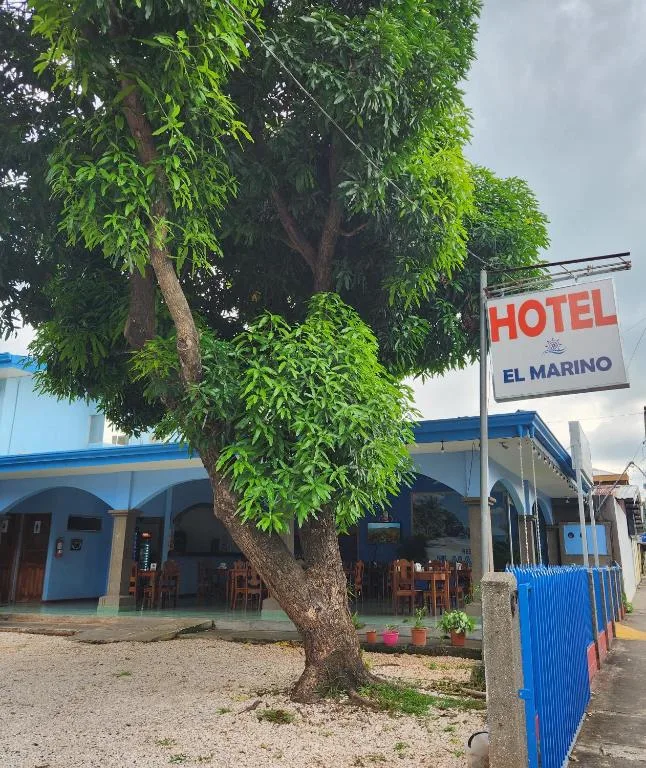 Wildlife4.3
Hotel y Restaurante El Marino
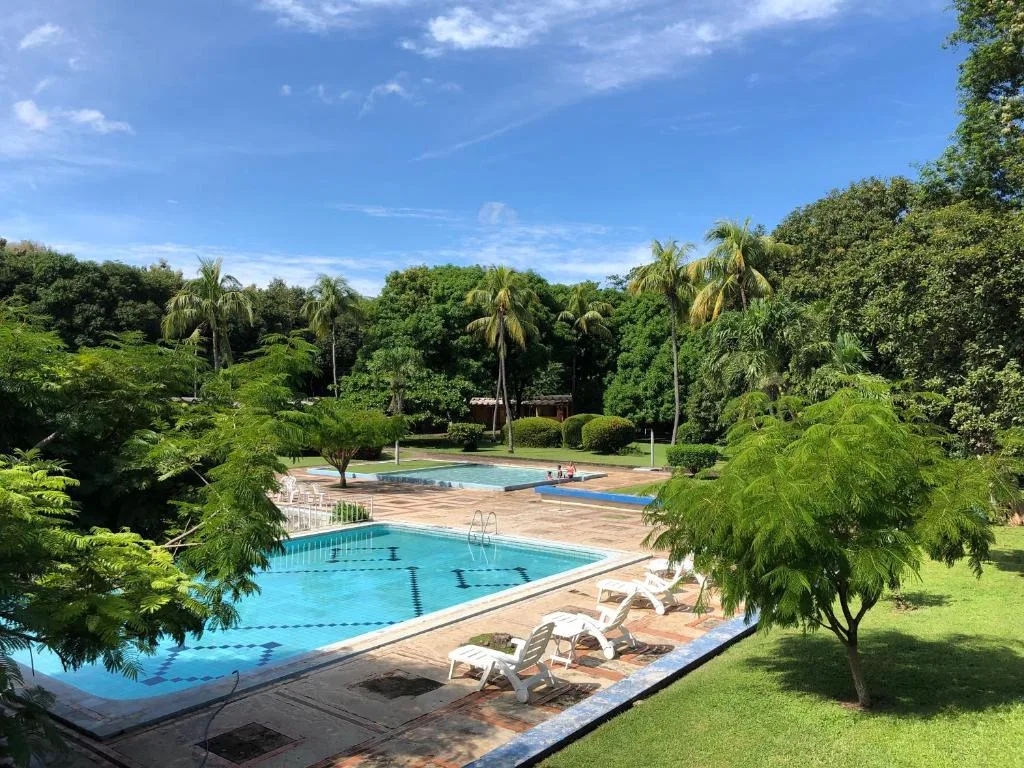 Wildlife4.3
Hotel Diriá Santa Cruz
 Wildlife4.3
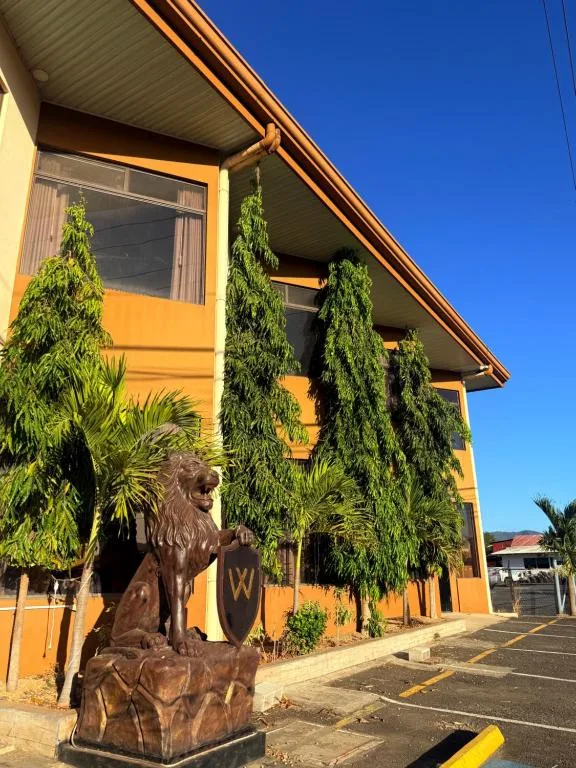
Hotel Wilson Santa Cruz
 Beachfront4.0
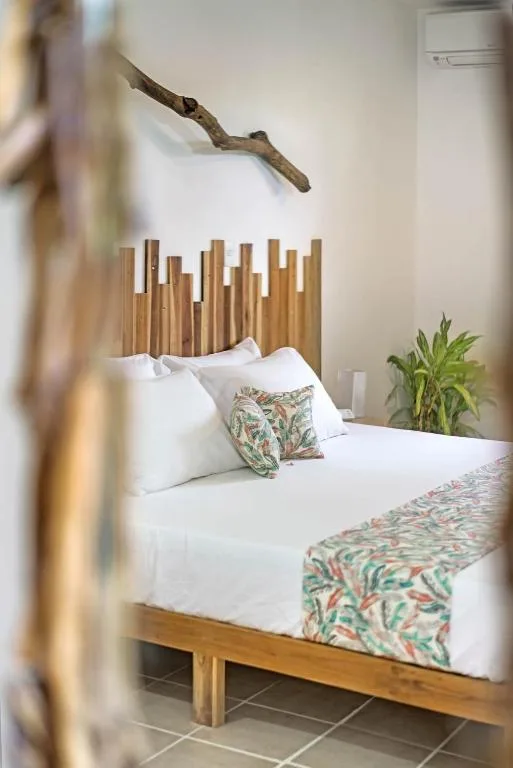
Drift Away Lodge CR
What to expect
- Inland base on paved Route 21, roughly a 30-40 minute drive from the Avellanas and Junquillal surf beaches
- Barra Honda National Park's limestone cave system within reach for a half-day trip
- Guanacaste dry tropical forest climate: hot and dusty December through April, green and humid May through November
- Sabanero cattle-ranching heritage and marimba music still shape daily life in the central park
- Lower rates than the coastal towns nearby, with family-run hotels rather than resort chains
- Working town centre with a real supermarket, clinic and bus terminal rather than a tourist strip
Local tips
- ✓Book a rental car if you plan to reach Avellanas or Junquillal beach, since Santa Cruz itself sits inland off the coast road.
- ✓Visit Barra Honda National Park in the dry season (December to April) when the cave trails are least slippery underfoot.
- ✓Pack lighter clothing than you would for a rainforest trip; Guanacaste's dry forest climate runs hot with little afternoon shade.
- ✓Time a visit around the town's January fiesta if you want to see the sabanero cattle culture up close, bulls included.
- ✓Use Santa Cruz as a cheaper overnight base and day-trip to the beaches rather than staying coastal the whole visit.
- ✓Confirm your hotel's parking situation before arrival, since the town centre streets around the market can get congested on market days.
Where to stay
FAQ
What neighborhoods should I look at to stay in Santa Cruz?
Most visitors book hotels within a few blocks of the central park and market, where restaurants, the bus terminal and the Route 21 junction are all walkable, rather than seeking out a specific district.
What types of accommodation are available in Santa Cruz?
Expect small family-run hotels, aparthotels with kitchens, and a couple of larger properties built around a pool, all considerably cheaper than the resort-style options on the nearby beach coast.
When is the best time to visit Santa Cruz, Costa Rica?
The dry season from December through April brings the most reliable weather for caving at Barra Honda and day trips to the coast; the rainy season keeps the dry forest green but the back roads can turn rough.
Where should I stay in Santa Cruz for a Barra Honda cave trip?
Any hotel near the town centre works well, since Barra Honda National Park sits roughly 30 to 40 kilometres away and is reached by the same Route 21 corridor most visitors already use to get around.
Is Santa Cruz a good base for visiting Tamarindo and Avellanas beaches?
Yes, Santa Cruz sits inland on Route 21 within a short drive of Avellanas, Junquillal and the wider Tamarindo area, making it a noticeably cheaper alternative to sleeping directly on the coast itself.
Do I need a car to get around Santa Cruz and its beaches?
A car or an arranged transfer is strongly recommended, since Santa Cruz's beaches and Barra Honda National Park both sit outside town and the local public transport runs on limited, hard to plan around schedules.